What Does Xanax Do? Uses, Effects and Side Effects
Xanax reduces anxiety by enhancing GABA activity and delivers rapid calm—but the same nervous system depression that brings relief carries serious risks. The drug helps millions of Americans with anxiety and panic disorders, yet that therapeutic benefit coexists with one of the most significant public health concerns in modern prescribing.
Drug Class: Benzodiazepine · Primary Use: Anxiety and panic disorders · Onset: 15–30 minutes · Introduced: Mid-1970s · Short-term Use: Recommended
Quick snapshot
- Treats anxiety and panic disorders (Cleveland Clinic)
- Fast-acting benzodiazepine (onset 15–30 minutes) (Drugs.com)
- First-time experience varies by individual
- Popularity drivers differ across populations
- Available since mid-1970s
- Peak plasma concentration at 1–2 hours
- Short-term use only, per medical guidance
- Rising awareness of dependence risks
The table below summarizes the key pharmacological and regulatory properties of alprazolam based on official prescribing information and regulatory guidance.
| Property | Value |
|---|---|
| Generic Name | Alprazolam |
| Drug Class | Benzodiazepine |
| Primary Indication | Anxiety disorders |
| Secondary Use | Panic disorders |
| Recommended Duration | Short-term |
| Onset of Action | 15–30 minutes |
| Peak Plasma Time | 1–2 hours |
What is Xanax mainly used for?
Xanax carries FDA approval for two primary conditions: generalized anxiety disorder and panic disorder. The drug’s generic name is alprazolam, and it belongs to the benzodiazepine family—a group of medications designed to slow down the central nervous system.
The Irish Health Products Regulatory Authority (HPRA) notes that alprazolam-containing products are authorized for short-term use only, reflecting medical consensus that extended treatment carries meaningful risks.
Anxiety disorders
Cleveland Clinic explains that alprazolam treats anxiety by helping the nervous system calm down. It works by enhancing the effects of GABA, a neurotransmitter that reduces brain activity. When GABA activity increases, feelings of worry, tension, and fear diminish.
Panic disorders
For panic disorder, Xanax addresses the sudden, intense physical and emotional symptoms that can strike without warning—racing heart, shortness of breath, dizziness, and a sense of impending doom.
Short-term treatment
All approved uses share a common thread: short-term or limited duration. Most prescribing guidelines recommend against using Xanax for more than a few weeks, both because tolerance develops and because dependence can form surprisingly quickly.
How does Xanax make you feel?
The subjective experience of Xanax varies, but several patterns emerge consistently across medical sources. Most people describe a pronounced sense of calm and relaxation that sets in faster than many other antianxiety medications.
Immediate effects
According to GoodRx, initial effects typically appear within 15–30 minutes of taking the medication. The full calming impact usually peaks around 1–2 hours after ingestion. Users commonly report:
- Reduced physical tension
- Dulled anxiety or worry
- Muscle relaxation
- Drowsiness or sedated feeling
First-time experience
For someone taking Xanax for the first time, the sensation can be surprisingly strong. The drug hits relatively fast, and the contrast with an anxious state can feel dramatic. Medical sources note that individual reactions depend heavily on body weight, metabolic rate, and whether the person has eaten recently.
Calming sensation
The core experience is one of reduced nervous system arousal. Thoughts that feel urgent or threatening lose some of their edge. Physical symptoms of anxiety—racing pulse, shallow breathing, tense muscles—tend to ease. Drugs.com confirms that Xanax works by slowing down the central nervous system, producing a calming effect.
That same calming mechanism that brings relief also carries risks. The drug doesn’t distinguish between disabling panic and normal alertness—it depresses the whole nervous system. This is why activities like driving can become dangerous shortly after a dose.
Does Xanax calm you down quickly?
Yes—by benzodiazepine standards, Xanax acts relatively fast. Its half-life is shorter than many other drugs in its class, meaning it processes through the body more quickly. This quick action is part of what makes it popular for acute anxiety situations.
Onset time
Most sources place the onset window at 15–30 minutes, with peak plasma concentration occurring at 1–2 hours. This puts Xanax among the faster-acting benzodiazepines, ahead of medications like diazepam or clonazepam.
How it works
Xanax binds to GABA-A receptors in the brain, enhancing the neurotransmitter’s natural calming effect. GABA acts as a brake on neural activity—when more GABA fires, the brain’s alarm system dials back. The result is reduced anxiety, sedation, and muscle relaxation.
Comparison to other benzos
Compared to longer-acting benzodiazepines like clonazepam, Xanax produces its peak effects sooner but doesn’t last as long. This makes it useful for situations requiring rapid intervention, but it also means doses may need to be repeated more frequently.
The quick onset and short duration create a pattern some users fall into: taking repeated doses as effects wear off. This behavior significantly increases dependence risk and can spiral into problematic use.
What are the downsides of Xanax?
The same properties that make Xanax effective also create its most serious drawbacks. The Recovery Village addiction treatment center lists dependence, tolerance, and withdrawal as major concerns—even when the drug is taken exactly as prescribed.
Common side effects
Side effects occur frequently and include drowsiness, fatigue, coordination difficulties, memory problems, and difficulty concentrating. These effects intensify when combined with alcohol or other depressants.
Biggest risks
The addiction potential stands out as the most serious concern. Benzodiazepine dependence can develop within weeks, and withdrawal symptoms—including seizures and life-threatening complications—can occur if the drug is stopped abruptly. Combining benzodiazepines with opioids or alcohol dramatically increases overdose risk.
Long-term impacts
Long-term use correlates with cognitive impairment, emotional blunting, and increased fall risk in older adults. The FDA has issued warnings about the risks of combining benzodiazepines with opioids, citing potential for serious breathing problems, coma, and death.
Upsides
- Rapid anxiety relief
- Effective for panic attacks
- Well-studied mechanism
- FDA-approved for specific uses
Downsides
- High dependence potential
- Withdrawal risks
- Cognitive side effects
- Schedule IV controlled substance
The implication: patients and prescribers weighing Xanax must balance the genuine relief it provides against the physiological dependence it reliably creates with continued use.
Why is Xanax so popular?
Since its introduction in the mid-1970s, Xanax has become one of the most prescribed benzodiazepines in the United States. Several factors explain its widespread use.
Effectiveness for anxiety
The drug works—which cannot be said about every anxiety treatment. For people experiencing severe anxiety or panic, Xanax can provide meaningful relief that other approaches fail to deliver. This effectiveness drives both prescriptions and recreational use.
Prescribing trends
Historically, benzodiazepines were prescribed more liberally than current guidelines recommend. Older prescribing patterns created a large population of long-term users, and the drug’s brand recognition—Xanax is one of the most recognized pharmaceutical names—reinforces its continued use.
Misuse factors
Xanax has become one of the most misused prescription drugs, partly because it produces noticeable effects even at therapeutic doses and partly because the illegal market for it is substantial. The drug’s reputation in popular culture has also influenced perceptions of its effects.
Cleveland Clinic (Healthcare institution)
ALPRAZOLAM treats anxiety. It works by helping your nervous system calm down.
Drugs.com (Drug information resource)
Xanax is used to treat anxiety disorders and anxiety caused by depression.
Recovery Village (Addiction treatment center)
Xanax has been around since the mid-1970s and is one of the most prescribed benzodiazepines.
Related reading: Autism Symptoms in Adults: Signs, Red Flags & Checklist · What Should Your Heart Rate Be – Normal Ranges by Age
recoveryfirst.org, goodrx.com, medicalnewstoday.com, touchstonerecoverycenter.com, wolfcreekrecovery.com, synapse.patsnap.com, americanaddictioncenters.org, ncbi.nlm.nih.gov, boldhealthinc.com, labeling.pfizer.com, goodrx.com, benzoinfo.com
While Xanax provides rapid anxiety relief as a benzodiazepine, many doctors turn to hydroxyzine uses and effects for calmer, non-addictive treatment options with fewer long-term risks.
Frequently asked questions
Is Xanax legal?
Yes, Xanax is legal with a valid prescription. It is classified as a Schedule IV controlled substance under the Controlled Substances Act, meaning it has a recognized medical use but carries potential for dependence. Possession without a prescription is illegal.
What does Xanax look like?
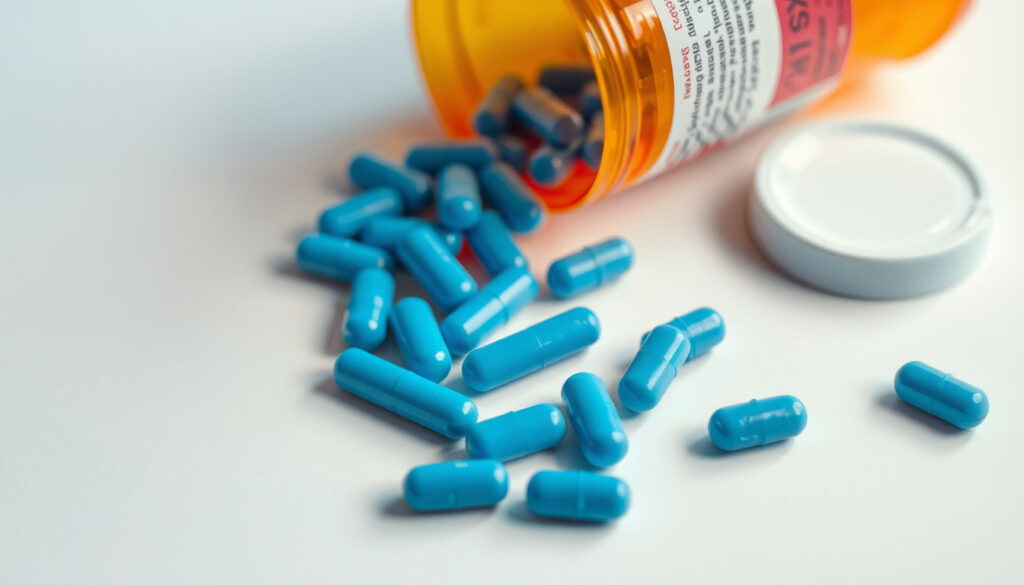
Xanax tablets come in various shapes, colors, and sizes depending on the dosage and manufacturer. Common versions include white rectangular bars, oval-shaped pills, and round tablets. The specific appearance varies by manufacturer, and the drug also comes in extended-release formulations.
Does Xanax make you sleepy?
Yes, drowsiness is one of the most common side effects of Xanax. The degree of sleepiness varies by dose and individual factors. Medical sources recommend avoiding driving or operating machinery until you understand how the drug affects you.
Does Xanax help you sleep?
While sedation occurs, Xanax is not approved as a sleep medication. Its primary indications are anxiety and panic disorders. Sleep-related problems may improve indirectly if underlying anxiety was disrupting sleep, but other medications are typically preferred for insomnia.
Do side effects of Xanax go away?
Some side effects, particularly drowsiness and coordination problems, often diminish with continued use as your body adjusts. However, other effects like memory issues may persist. Dependence and tolerance issues tend to increase over time rather than resolve.
Is Xanax an opioid?
No, Xanax is not an opioid. It is a benzodiazepine. Both drug classes depress the central nervous system, but they work through different mechanisms. Xanax enhances GABA activity, while opioids bind to opioid receptors. The drugs are chemically and pharmacologically distinct.
When should I take Xanax?
Xanax should be taken exactly as prescribed by your healthcare provider. Doses are typically taken 2–3 times daily for anxiety, with or without food. For panic disorder, the dosing schedule depends on your specific situation. Never adjust your dose without consulting your prescriber.
For people with anxiety disorders, the choice between Xanax and alternatives comes down to severity, duration, and personal risk factors. Short-term use under close medical supervision can provide meaningful relief—but the dependence risk means this drug should never be anyone’s first or permanent line of defense. Those considering Xanax should discuss full alternatives with their prescriber, including therapy approaches and longer-acting medications with lower abuse potential.
Patients struggling with benzodiazepine use who call the SAMHSA helpline receive free, confidential referrals to treatment programs that can help them safely discontinue use and develop alternative anxiety management strategies.
More related posts
 Mater Smithfield Rapid Injury Clinic: Walk-in Minor Injuries Guide
 Premier Inn Near Me: Find Hotels & Compare Prices
 Liverpool F.C. vs PSG Stats: Result, Penalty Miss & Elimination
 Why Is Friends Leaving Netflix? 2026 Update & Guide
 BBC Football Live Scores: How to Get Real-Time Updates
 Best Places to Eat in Limerick: City Centre to Castletroy
 Exchange Rate Pound to Euro: Current & Best Deals
 Room to Rent Cork: Best Websites, Tips & Private Landlords