Skin Cancer on Face – Early Signs, Types & Treatment Guide
Skin cancer on the face represents one of the most common malignancies affecting people worldwide. The face accounts for approximately 85% of all skin cancer cases due to its constant exposure to ultraviolet radiation. Early detection significantly improves outcomes, yet many people overlook the subtle warning signs that appear on facial skin. Understanding what to look for, how different types present, and when to seek professional evaluation can make the difference between straightforward treatment and advanced disease.
This guide provides a comprehensive overview of skin cancer appearances on the face, from early-stage indicators to treatment options. Medical sources including MD Anderson Cancer Center, the Skin Cancer Foundation, and Cleveland Clinic inform the information presented here. The goal is to help readers recognize potential warning signs while emphasizing that professional diagnosis remains essential.
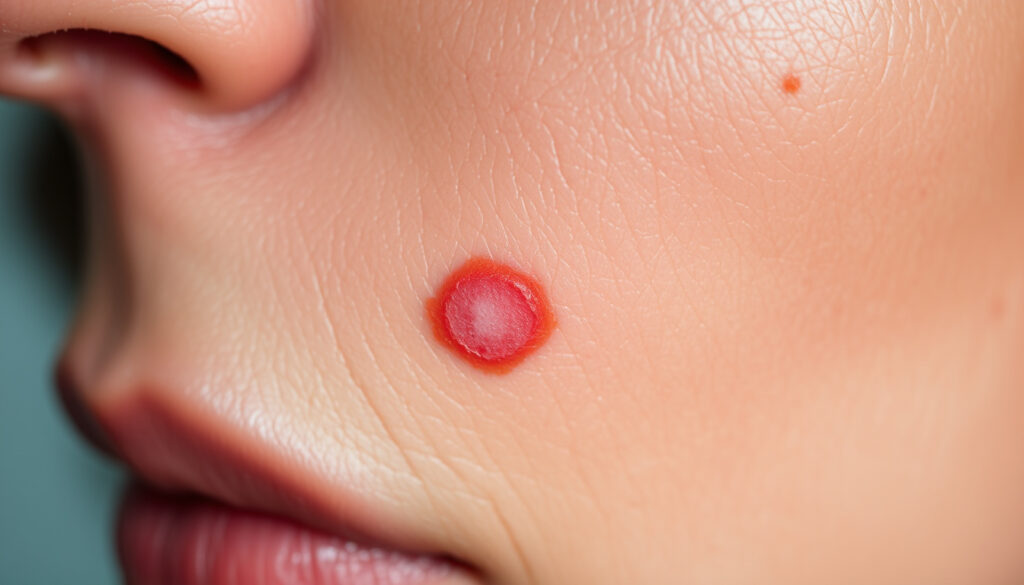
What Does Skin Cancer on the Face Look Like?
Visual identification forms the foundation of early skin cancer detection. Changes on facial skin often begin subtly, making them easy to dismiss as harmless blemishes. Recognizing the variations in appearance helps distinguish concerning lesions from common skin issues.
Basal cell carcinoma, squamous cell carcinoma, and melanoma represent the primary types found on facial skin.
Persistent lumps, crusting areas, non-healing sores, and evolving spots require attention.
The ABCDE rule helps identify melanoma: Asymmetry, Border irregularity, Color variation, Diameter over 6mm, and Evolving characteristics.
Sun exposure on the face creates the conditions for most skin cancer development.
Key Insights
- Approximately 85% of skin cancers occur on sun-exposed areas, with the face being the most commonly affected region.
- Basal cell carcinoma accounts for roughly 80% of all facial skin cancer cases and typically grows slowly.
- Melanoma, while less common, is the deadliest form and can spread rapidly to lymph nodes and organs.
- Early-stage skin cancer on the face often resembles harmless conditions like pimples, insect bites, or skin tags.
- Professional evaluation is necessary for accurate diagnosis, as visual inspection alone cannot confirm malignancy.
- Self-examination supplements but never replaces regular dermatologist visits, particularly for high-risk individuals.
Snapshot Facts
| Fact | Details |
|---|---|
| Facial Prevalence | Approximately 85% of skin cancers develop on sun-exposed areas, with the face being most vulnerable. |
| Most Common Type | Basal cell carcinoma represents about 80% of facial skin cancer diagnoses. |
| Typical Early Sign | A persistent sore, lump, or spot that does not resolve within several weeks warrants investigation. |
| Melanoma Identifier | The ABCDE rule (Asymmetry, Border irregularity, Color variation, Diameter over 6mm, Evolving) aids detection. |
| Treatment Success | BCC and SCC show greater than 95% cure rates when detected and treated at early stages. |
| Stage 4 Prognosis | Advanced melanoma carries approximately 20-30% five-year survival rate following diagnosis. |
| Sun Exposure Link | Ultraviolet radiation exposure remains the primary modifiable risk factor for facial skin cancer. |
| Professional Requirement | Biopsy and pathological examination provide definitive diagnosis beyond visual assessment. |
What Are the Symptoms of Skin Cancer on the Face?
Symptoms of skin cancer on the face vary depending on the specific type and how advanced the condition has become. Understanding both early warning signs and progressing symptoms helps facilitate timely medical consultation.
Early Warning Signs
Early-stage facial skin cancer frequently presents with features that many people initially ignore. According to MD Anderson Cancer Center, common early indicators include a new spot or change in an existing mole regarding size, shape, or color. The Skin Cancer Symptoms resource provides detailed descriptions of these presentations.
Basal cell carcinoma often appears as a shiny, pearly, or dome-shaped bump that may be pink, red, flesh-colored, or translucent. This type commonly develops on the nose and cheeks, areas receiving significant sun exposure. Squamous cell carcinoma more frequently manifests as a rough, scaly, or red patch that feels dry, itches, hurts, or develops crusting. Both types may present as a non-healing sore that bleeds, oozes, crusts, or recurs after initially appearing to heal.
Additional warning signs identified across medical sources include a raised bump or wart-like growth with a central depression or rolled edge, a scar-like area without clear edges or prior injury, and an itchy or tender spot that persists without resolution. These features can mimic benign issues like pimples or harmless skin tags, which is why professional evaluation becomes critical.
When checking facial skin, use adequate lighting and a mirror to examine hard-to-see areas like the ears, nose, and hairline. Photograph any changing lesions to share with your dermatologist during appointments. Changes occurring over weeks to months merit professional attention.
Progressing Symptoms
As skin cancer advances on the face, symptoms become more pronounced and concerning. Lesions may grow larger, develop ulceration, or begin bleeding spontaneously. According to Cleveland Clinic, progressing basal cell carcinoma can display visible blood vessels called telangiectasia on its surface, while the center may crust or ulcerate.
Squamous cell carcinoma progression often involves the development of a firmer, more raised nodule that may feel tender. The lesion may refuse to heal completely, repeatedly breaking down and reforming. For melanoma, progression follows the ABCDE characteristics becoming more pronounced, with multiple colors becoming evident and borders becoming increasingly irregular.
Advanced disease, particularly stage 4 melanoma, introduces systemic symptoms including swelling in lymph node areas near the face and neck, unexplained fatigue, and weight loss. These indicate that cancer has metastasized beyond the original site and requires aggressive intervention.
What Are the Types of Skin Cancer on the Face?
Several distinct types of skin cancer can develop on facial skin, each with characteristic appearances, growth patterns, and prognoses. Understanding these differences helps readers appreciate why professional diagnosis matters.
Basal Cell Carcinoma
Basal cell carcinoma stands as the most frequently diagnosed skin cancer overall, accounting for approximately 80% of facial cases. According to the Skin Cancer Foundation, this type typically appears on sun-exposed facial areas including the nose, cheeks, and forehead.
The classic presentation involves a pearly or flesh-colored bump with visible blood vessels running through it. Nodular basal cell carcinoma may show a rolled edge with a crusted or ulcerated center. Some lesions appear pigmented with tan, black, or brown coloring, potentially confusing them with melanomas. The GentleCure early signs resource notes that basal cell carcinoma grows slowly but can invade surrounding tissue if left untreated.
Despite its local invasion potential, basal cell carcinoma rarely metastasizes to distant sites. The primary concern involves cosmetic and functional damage to facial structures as the tumor grows over months and years. Early treatment typically involves surgical excision with excellent cure rates exceeding 95% for initial lesions.
Other Common Types
Squamous cell carcinoma represents approximately 20% of facial skin cancer cases. This type commonly presents as a red, firm bump on the skin or as a recurring sore that heals and reopens repeatedly. A scaly patch that fails to resolve with moisturizers or gentle skincare products often indicates squamous cell carcinoma in its early stages.
Unlike basal cell carcinoma, squamous cell carcinoma carries meaningful metastatic potential if left untreated. According to Medical News Today, sun-exposed areas of the face remain the most common sites for this type. Wart-like growths and open sores that crust or bleed characterize more advanced presentations.
Melanoma, while representing a smaller percentage of facial skin cancers, demands particular attention due to its aggressive nature. The Clarus Dermatology guidance emphasizes that melanoma appears as a new dark area or changing mole following the ABCDE rule. Asymmetrical shape, irregular borders, multiple colors including brown, black, red, blue, or white, diameter exceeding 6mm, and evolving characteristics all suggest melanoma requiring urgent evaluation.
Visual self-assessment cannot reliably distinguish between benign and malignant lesions. A dermatologist performs biopsies and orders pathological examination to confirm diagnosis. Bare Dermatology recommends consulting a doctor for any suspicious changes rather than attempting self-diagnosis.
Merkel cell carcinoma, though rare, deserves mention as it frequently appears on the head and neck region including facial skin. This aggressive malignancy presents as a painless, firm, shiny nodule and carries high metastatic risk requiring prompt treatment.
How Is Skin Cancer on the Face Treated?
Treatment approaches for facial skin cancer depend on the specific type, stage at diagnosis, lesion size, and location on the face. Modern dermatology offers multiple effective options, with earlier intervention generally producing better outcomes.
Treatment Options
Early-stage facial skin cancer typically responds well to surgical approaches. Excisional surgery removes the visible lesion along with a margin of surrounding healthy tissue. Mohs surgery, a specialized technique where tissue is removed and examined layer by layer during the procedure, achieves the highest cure rates while preserving the maximum amount of healthy facial tissue.
According to Cleveland Clinic, cryotherapy using liquid nitrogen to freeze and destroy abnormal cells works well for superficial early lesions. Topical medications including fluorouracil and imiquimod creams may treat certain early basal cell and squamous cell carcinomas in some cases. Radiation therapy serves as an alternative when surgery is impractical or for patients unwilling or unable to undergo procedures.
Advanced and stage 4 disease requires systemic treatments. Mayo Clinic resources describe immunotherapy options including checkpoint inhibitors that help the immune system recognize and attack cancer cells. Targeted therapies work against specific genetic mutations present in some melanomas. Chemotherapy and clinical trials offer additional options for treatment-resistant disease.
Facial-Specific Considerations
Treating skin cancer on the face presents unique challenges due to cosmetic importance and functional requirements of facial structures. The nose, eyelids, lips, and ears all require specialized approaches that balance oncological control with preservation of appearance and function.
Mohs surgery remains particularly valuable for facial lesions because it allows complete microscopic examination of margins during a single visit, maximizing cure probability while minimizing tissue removal. For delicate areas like the eyelids, fellowship-trained Mohs surgeons often collaborate with oculoplastic surgeons to achieve optimal cosmetic and functional outcomes.
Reconstruction following tumor removal may involve simple closure, skin flaps, or grafts depending on defect size and location. Plastic surgery techniques help restore natural appearance while ensuring complete cancer removal. Patients should discuss reconstruction options with their treatment team before surgery.
Progression Timeline
Understanding how facial skin cancer typically progresses over time helps readers appreciate the importance of early detection and treatment. The timeline varies significantly between cancer types.
- Initial appearance: A small freckle-like or pimple-like spot develops on sun-exposed facial skin. This stage often passes unnoticed for months.
- Persistent lesion: The spot fails to resolve despite normal skincare or temporary improvement followed by recurrence. Growth in size, change in color, or development of new characteristics occurs.
- Visible changes: The lesion becomes more obvious as a pearly bump, scaly patch, or discolored area. Border irregularity or crusting may develop. This stage typically spans weeks to months.
- Advanced changes: Ulceration, bleeding, or rapid growth indicates progression. The lesion may become tender, itchy, or begin interfering with normal facial function.
- Local invasion: Basal or squamous cell carcinoma extends deeper into facial tissues, potentially affecting underlying structures including cartilage and bone in advanced cases.
- Metastasis: Cancer cells spread to regional lymph nodes or distant organs. Systemic symptoms including fatigue and weight loss may appear alongside local progression.
Melanoma progresses more rapidly than basal or squamous cell carcinoma, potentially spreading within months rather than years. This aggressive behavior underscores the importance of urgent evaluation for any melanoma-suggestive lesion.
What Is Clear and What Remains Uncertain?
- UV exposure represents the primary preventable cause of facial skin cancer.
- The face accounts for approximately 85% of skin cancer cases due to sun exposure patterns.
- Basal cell carcinoma is the most common type with excellent cure rates when treated early.
- Melanoma is the deadliest type but responds best to treatment when diagnosed at early stages.
- Self-examination and regular dermatology visits complement each other in early detection.
- Individual lesion behavior cannot be predicted with certainty before biopsy.
- Optimal screening frequency for different risk categories remains debated among experts.
- The precise contribution of intermittent versus chronic sun exposure varies by individual.
- Some skin cancers develop without apparent UV exposure, particularly in certain populations.
- The role of digital skin monitoring applications in clinical practice continues evolving.
Risk Factors and Prevention Context
The face receives the highest cumulative ultraviolet exposure of any body region, making sun protection particularly critical for facial skin cancer prevention. Broad-spectrum sunscreen with SPF 30 or higher, protective clothing including wide-brimmed hats, and seeking shade during peak sun hours represent established preventive measures.
Fair-skinned individuals carry higher baseline risk, though people of all ethnicities develop facial skin cancer. National Cancer Institute resources indicate that outdoor occupations, childhood sunburn history, and tanning bed use increase risk substantially. Indoor tanning particularly raises melanoma risk among younger users.
Regular skin self-examination helps identify changes between professional visits. CDC guidance recommends checking all skin including the face monthly, noting any new spots, changing lesions, or unusual growths. Photography helps track subtle changes over time.
Medical Perspectives and Expert Guidance
“Most skin cancers on the face appear as a new spot or a change in an existing mole or spot. The key is noticing changes and seeking evaluation promptly.”
— MD Anderson Cancer Center Skin Cancer Symptoms Resource
“Basal cell carcinoma may look like a pearly or flesh-colored bump that never heals. This slow-growing cancer rarely spreads but can damage surrounding tissue if left untreated.”
— Skin Cancer Foundation BCC Warning Signs Information
Dermatologists recommend annual full-body skin examinations for adults, with more frequent visits for those with elevated risk factors. Early intervention provides the best opportunity for successful treatment with minimal scarring or disfigurement.
Summary
Skin cancer on the face presents with varied appearances depending on the specific type involved. Basal cell carcinoma typically shows as a pearly bump, squamous cell carcinoma as a red scaly patch, and melanoma following the ABCDE pattern. The face accounts for most skin cancer cases due to sun exposure, making consistent protection and regular self-examination essential habits. While early-stage disease responds well to treatment with cure rates exceeding 95%, advanced stages require aggressive intervention and carry significantly worse prognoses. Professional medical evaluation remains necessary for any suspicious facial lesion, as self-diagnosis cannot reliably distinguish benign from malignant growths. Those concerned about their facial skin should consult a dermatologist for comprehensive assessment and appropriate management. For additional health information, readers may explore resources on What Should Your Heart Rate Be – Normal Ranges by Age to support overall wellness.
Frequently Asked Questions
Can an early-stage skin cancer look like a freckle?
Yes, early melanoma can resemble a harmless freckle or dark spot. Features that suggest malignancy include asymmetry, irregular borders, multiple colors, diameter exceeding 6mm, and any change over time. Professional evaluation helps distinguish benign freckles from concerning lesions.
What causes white spots on skin, and could they indicate cancer?
White spots on facial skin often result from sun damage, fungal infections, or hypopigmentation conditions unrelated to cancer. While some basal cell carcinomas may appear lighter or flesh-colored, standalone white spots typically indicate benign conditions. A dermatologist can evaluate any persistent white area.
What are the symptoms of stage 4 melanoma on the face?
Stage 4 melanoma indicates cancer has spread beyond the original site to distant organs. Symptoms may include enlarged lymph nodes near the face and neck, new lumps on the skin away from the primary site, unexplained weight loss, fatigue, and neurological symptoms if brain involvement occurs.
What happens when skin cancer reaches stage 4?
Stage 4 skin cancer means the malignancy has metastasized to lymph nodes or distant organs. Treatment shifts from local approaches to systemic therapies including immunotherapy, targeted therapy, and sometimes chemotherapy. Prognosis varies by cancer type, with advanced melanoma showing approximately 20-30% five-year survival rates.
How often should I have my facial skin checked by a dermatologist?
Annual full-body skin examinations represent the standard recommendation for adults. Individuals with elevated risk factors including fair skin, significant sun exposure history, indoor tanning use, or previous skin cancer may benefit from more frequent examinations every six months. Discuss personalized screening schedules with your dermatologist.
More related posts
 Irish Brown Bread Recipe: Authentic, Healthy, and Easy
 What Time Is It in Turkey? Current Time & Zone
 An Post Money Manager: Free App Guide, Setup & Review
 Premier Inn Near Me: Find Hotels & Compare Prices
 Is Jim Gavin Married? 2025 Update on His Wife, Family & Career
 How to Crochet a Granny Square: Step-by-Step for Beginners
 Man City vs SSC Napoli Lineups – Predicted XIs, Injuries, Team News
 Oh Holy Night Lyrics – Full Text, History and Meaning