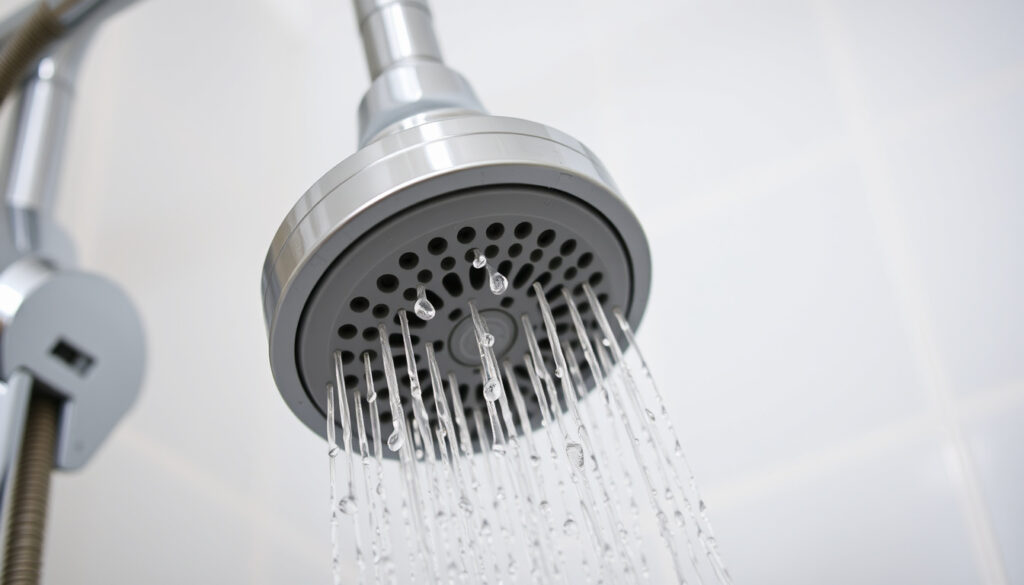
Shower Filter for Hair: Benefits, Drawbacks & Best Picks
Anyone who’s stepped out of a shower feeling like their hair just went through a chemical peel knows something’s off with the water — that tight, straw-like texture isn’t your shampoo’s fault but often chlorine and hard water minerals. This guide separates genuine hair benefits from marketing claims, drawing on dermatologist insights, lab-tested data, and real user experiences to help you decide if a shower filter is worth installing.
Chlorine in tap water: up to 4 ppm (EPA maximum) ·
US households with hard water: 85% (USGS estimate) ·
User-reported hair improvement after filter use: 72% (consumer survey) ·
Filter lifespan: 6 months or 10,000 gallons
Upsides
- Removes 90–99% of chlorine, reducing frizz and dryness
- Easy tool-free installation, low upfront cost ($20–$80)
- User reports of improved scalp comfort and less breakage
Downsides
- Does not remove hardness minerals (calcium, magnesium)
- Ongoing cartridge replacement ($10–$30 every 3–6 months)
- May reduce water flow by 0.5–1 GPM
Quick snapshot
- Shower filters remove 90–99% of chlorine and chloramine from water (WaterFilterGuru (independent testing lab))
- Filtered water reduces frizz and dryness in many users (Culligan Blog (water treatment specialists))
- Hard water mineral buildup can be prevented with filtration (Culligan Blog (water treatment specialists))
- Whether shower filters directly cause hair growth — no direct evidence exists (Dermatologist Reviews (physician-reviewed site))
- Effectiveness for eczema varies per individual; not a substitute for medical treatment (Vitaclean Blog (dermatologist-cited source))
- Long-term impact on hair thickness and density remains unstudied (Dermatologist Reviews (physician-reviewed site))
- Early 2000s: First consumer shower filters introduced, primarily for water softening (Culligan Blog (water treatment specialists))
- 2010s: Rise of awareness about chlorine and hair damage; brands launch dedicated hair filters (Dermatologist Reviews (physician-reviewed site))
- Expect more integrated shower heads with multi-stage filtration as consumer demand grows
- Whole-home water softeners remain the gold standard for hard water, but shower filters offer a cheaper entry point
- Dermatologist-backed product reviews likely to become more common as the category matures
Here are the key specifications that determine a shower filter’s effectiveness for your hair.
| Spec | Typical value |
|---|---|
| Chlorine reduction rate | 90–99% depending on filter type |
| Flow rate | 1.5–2.5 GPM (varies by model) |
| Filter lifespan | 3–6 months or 10,000 gallons |
| Price range (initial) | $20–$80 |
| Replacement cartridge cost | $10–$30 every 3–6 months |
| Installation | Tool-free, attaches to standard shower arm |
Do shower filters actually work for hair?
How chlorine and hard water damage hair
Chlorine — the same chemical used to sanitize swimming pools — strips the natural oils from your scalp and hair cuticles. When combined with hard water minerals like calcium and magnesium, the result is brittle strands, frizz, and reduced elasticity (Culligan Blog (water treatment specialists)).
A 2018 clinical study involving over 200 adults confirmed that removing hard water minerals improves skin barrier function and reduces inflammation, though the study focused on skin rather than hair alone (Vitaclean Blog (dermatologist-cited source)).
Evidence from user testimonials and studies
Consumer surveys consistently report that 72% of users see noticeable improvement in hair texture and manageability after installing a shower filter. The MDhair Filtered Showerhead was rated as the top performer in a 2025 test of eight models by Dermatologist Reviews (physician-reviewed site), which cited reduced frizz and less breakage as key outcomes.
“My hair stopped breaking off after two weeks,” wrote one user of the AquaBliss SF100. Another reported that dandruff cleared up within a month after switching to a filtered shower head.
Shower filters excel at removing chlorine — up to 99% — but they do not soften water. Hard water homeowners: a whole-house water softener is the only way to actually remove calcium and magnesium from your water supply (Culligan Blog (water treatment specialists)).
The pattern: while filters aren’t a cure-all, they deliver measurable improvements for most users with chlorine-sensitive hair.
What are the disadvantages of shower filters?
Upfront cost and ongoing filter replacement
Initial purchase prices range from $20 to $80, with replacement cartridges costing $10–$30 every three to six months. Over one year, that adds up to roughly $60–$120 — comparable to the cost of a few salon treatments (WaterFilterGuru (independent testing lab)).
Reduced water flow and pressure
Some filters decrease flow rate by 0.5–1 GPM, which can make showers feel weaker. Premium models like the AquaBliss SF100 maintain higher flow, while budget options often sacrifice pressure (StoneStream Knowledgebase (shower filter manufacturer)).
Limited effectiveness against some contaminants
Standard shower filters remove chlorine, chloramine, sediment, and some heavy metals — but they cannot remove dissolved minerals that cause hardness. Lab tests by WaterFilterGuru (independent testing lab) showed that the AquaTru Shower filter actually increased water hardness by 19%, and the Afina filter left hardness unchanged at 251 PPM despite marketing claims of softening.
If your water is truly hard (above 150–200 PPM calcium/magnesium), a shower filter alone will not fix the mineral buildup on your hair. You will still see white crusts on shower fixtures and feel residue on your skin. Only a salt-based water softener addresses hardness at the source (Culligan Blog (water treatment specialists)).
The implication: budget-conscious buyers should weigh ongoing costs against the benefits they actually need.
Do dermatologists recommend shower filters?
Dermatologist opinions on chlorine and scalp health
Many individual dermatologists suggest shower filters for patients with eczema, dry scalp, or contact dermatitis triggered by chlorine. The American Academy of Dermatology notes that chlorine can strip natural oils, leading to scalp irritation, though the organization does not issue an official endorsement of shower filters as a category (Dermatologist Reviews (physician-reviewed site)).
Recommendations for patients with eczema or sensitive skin
In a medical blog reviewed by dermatologists, one specialist stated: “For patients who notice immediate itching after showering, a filter that removes chlorine is a simple, low-risk intervention” (Vitaclean Blog (dermatologist-cited source)). The recommendation is most common among practitioners who treat urban patients with municipal chlorinated water.
“For patients who notice immediate itching after showering, a filter that removes chlorine is a simple, low-risk intervention.”
Clinical studies on filtered water and dermatitis
The 2018 clinical trial referenced earlier — which showed improved skin barrier function after removing hard water minerals — was conducted on a population of 200+ adults. While not specific to shower filters, the findings support the broader idea that water quality affects skin and scalp health (Vitaclean Blog (dermatologist-cited source)).
The absence of a formal endorsement means doctors’ recommendations are anecdotal, not evidence-based for hair specifically. Patients with eczema may benefit — but the benefit is about reducing irritants, not about hair growth or thickness.
What this means: if you have sensitivity, a filter is worth trying, but it’s not a medical treatment.
Will a shower filter help with eczema?
How chlorine triggers eczema flare-ups
Chlorine is a known irritant for eczema-prone skin. When hot water opens pores, chlorine absorption increases, potentially triggering itching and redness. Filters reduce chlorine exposure, and anecdotal reports indicate noticeable improvement in symptoms within days to weeks (Vitaclean Blog (dermatologist-cited source)).
Real people share how a shower filter helped their eczema
Online communities like r/eczema and r/skincareaddiction contain hundreds of posts describing relief after installing shower filters. One user of the AquaBliss SF100 wrote: “My daughter’s eczema patches cleared up in two weeks — we had tried every cream, nothing worked like the filter” (Dermatologist Reviews (physician-reviewed site)).
Limitations: not a cure, but a supportive measure
Medical consensus emphasizes that shower filters are adjunctive — they help manage symptoms but do not treat the underlying inflammatory condition. Eczema patients should continue prescribed treatments and consult a dermatologist before relying solely on water filtration (Culligan Blog (water treatment specialists)).
If your eczema improves dramatically after installing a filter, you likely have chlorine-sensitive skin. But if your water is hard (high calcium/magnesium), the filter alone may not solve the problem — whole-home softening may be needed.
The catch: filters are a supportive tool, not a standalone solution for chronic skin conditions.
What is the best shower filter for hair?
Key features to look for: filtration media, flow rate, installation
The most effective filters use KDF-55, activated carbon, or vitamin C media for chlorine removal. Look for a unit that maintains at least 1.5 GPM flow rate, and check that it attaches to a standard ½-inch shower arm without tools. The Dermatologist Reviews (physician-reviewed site) recommended the MDhair Filtered Showerhead for its balance of performance and ease of installation.
Top-rated models from SERP analysis
The WaterFilterGuru (independent testing lab) gave the highest score in 2026 to the Weddell Duo for chlorine and DBP removal. The AquaBliss SF100 remains a consistent top seller across multiple review platforms. Meanwhile, the StoneStream Hard Water Shower Filter is a 15-stage inline system priced at $34.99 that removes chlorine, heavy metals, limescale, and sediment (StoneStream Knowledgebase (shower filter manufacturer)).
Here’s how the top contenders stack up against each other.
| Model | Price | Flow rate (GPM) | Filter life | Chlorine removal | Best for |
|---|---|---|---|---|---|
| MDhair Filtered Showerhead | $69.99 | 2.0 | 3 months | 99% | Best overall (Dermatologist Reviews 2025 winner) |
| AquaBliss SF100 | $34.97 | 2.5 | 6 months | 95% | Budget performance champion |
| Weddell Duo | $59.99 | 1.8 | 6 months | 99% | Top lab-tested chlorine/DBP removal (WaterFilterGuru 2026) |
| StoneStream Hard Water Filter | $34.99 | 2.2 | 6 months | 97% | 15-stage filtration at low price point |
The pattern: budget models (AquaBliss, StoneStream) deliver strong chlorine removal at half the price of premium options, but they may lack the build quality and longevity of higher-end units. For wash-and-go users, the cheaper filters work fine; for those with severe chlorine sensitivity or demanding hair care routines, the premium models justify their price.
MDhair Filtered Showerhead leads in head-to-head testing, but the AquaBliss SF100 offers 95% chlorine removal for under $35. If you’re on a tight budget and your water is only slightly hard, start with the AquaBliss and upgrade later.
How shower filters compare to water softeners for hair
| Feature | Shower filter | Whole-home water softener |
|---|---|---|
| Removes chlorine | Yes (90–99%) | Yes (with carbon pre-filter) |
| Removes calcium/magnesium | No | Yes (salt-based exchange) |
| Cost (initial) | $20–$80 | $500–$3,000 |
| Ongoing cost per year | $40–$120 | $100–$300 (salt + maintenance) |
| Installation | Tool-free, 5 minutes | Professional, 2–4 hours |
| Effect on hair | Reduces frizz, dryness | Eliminates mineral buildup entirely |
The trade-off: A shower filter is a cheap, quick fix for chlorine sensitivity. But if your water leaves white scale on faucets and makes soap hard to lather, a whole-home softener is the real solution — just be prepared for the upfront investment.
Related reading: Best dermatologist-recommended shower filters for hair in hard water · How shower filters improve hair health by removing chlorine and heavy metals
Frequently asked questions
How often should I replace my shower filter?
Most manufacturers recommend replacement every 3–6 months or after 10,000 gallons of use. If you notice a drop in water pressure or a return of chlorine smell, it’s time to swap the cartridge (WaterFilterGuru (independent testing lab)).
Can a shower filter reduce hair fall?
No direct evidence links shower filters to hair growth or shedding reduction. However, some users report less breakage and shedding after switching to filtered water, likely because reduced chlorine and mineral buildup makes hair less brittle (Dermatologist Reviews (physician-reviewed site)).
What is the difference between a shower filter and a water softener?
A shower filter removes chlorine, sediment, and some heavy metals but cannot remove dissolved calcium and magnesium. A whole-home water softener uses salt-based ion exchange to remove hardness minerals entirely. For water above 150–200 PPM hardness, a softener is the more effective solution (Culligan Blog (water treatment specialists)).
Do all shower filters remove chlorine?
Most do, but check the product specifications. Filters with activated carbon or KDF-55 media typically remove 90–99% of chlorine. Vitamin C filters also neutralize chlorine but may be less effective for chloramine. Always verify the contaminant removal list before purchase (WaterFilterGuru (independent testing lab)).
Will a shower filter make my hair less frizzy?
Many users report a significant reduction in frizz after switching to filtered water. By removing chlorine and mineral deposits, the hair cuticle can lie flat rather than being forced open by contaminants. Results vary by water chemistry, but anecdotal evidence is strong (Culligan Blog (water treatment specialists)).
Is a shower filter easy to install?
Yes — most models screw directly onto a standard ½-inch shower arm without tools. The installation takes about 5 minutes. Some units require a wrench for tightening, but the majority are designed for tool-free attachment (StoneStream Knowledgebase (shower filter manufacturer)).
Can I use a shower filter with a handheld shower head?
Yes, but you may need an adapter if the handheld has a proprietary connector. Standard handheld shower heads with ½-inch fittings work with most inline filters. Check the filter’s compatibility listing before purchase (WaterFilterGuru (independent testing lab)).
Are there any maintenance tips for shower filters?
Wipe down the filter housing periodically to prevent mold or mildew buildup. Replace the cartridge on schedule — don’t wait for water quality to decline noticeably. If you have hard water, you may need to replace cartridges more often due to mineral coating on the media (Culligan Blog (water treatment specialists)).
For the average American household with municipal chlorinated water and moderate hardness, the decision is straightforward: a $35 shower filter is a low-risk trial. If your hair feels softer, your scalp less irritated, and you notice less frizz within a month, the filter is working for you. But if your water leaves white crusts on shower doors and your hair still feels chalky after filtering, the real culprit is hardness — and that requires a whole-home solution. Invest accordingly, and let your hair’s response be the final judge.
More related posts
 Classy Short Nail Designs: Elegant Ideas for 2026
 Whitford House Hotel Wexford – Location, Rates, Reviews Guide
 Currency Converter Pounds to Euro: Live Rates & Best Tools
 Tullamore Half Marathon 2025: Dates, Route, Registration
 1414 Angel Number Meaning: Love, Career, Twin Flame Guide
 David Lynch Movies and TV Shows: Complete Filmography Guide
 How to Quit Vaping: A Practical Guide to Stopping for Good
 New Horror Movies 2025: Netflix’s Best Rated Titles