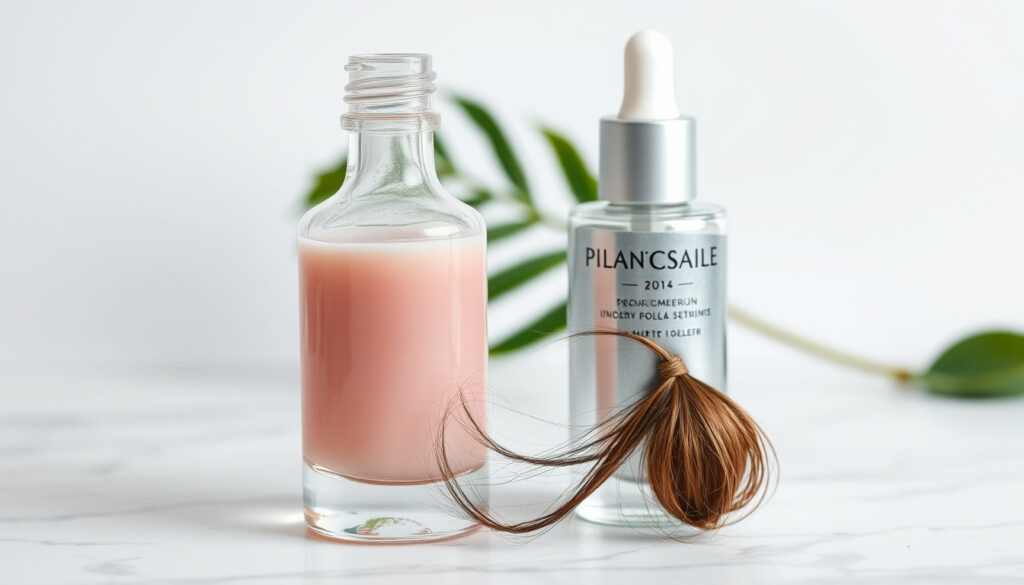
Redken Acidic Bonding Concentrate: How It Compares to Olaplex
If you’ve ever stared at a split end and wondered what actually happens inside your hair when it breaks, you’re not alone. The bond-repair category has exploded, and two names dominate the conversation: Redken’s Acidic Bonding Concentrate and Olaplex. This article walks through how each system works, what the ingredients really do, and how to choose based on your hair’s actual needs — no marketing fluff.
pH level: 4.5–5.5 (acidic, pH-balanced) · Number of products in line: 5 (shampoo, conditioner, leave-in treatment, intensive treatment, 24/7 serum) · Key active ingredient: Citric Acid + Bonding Care Complex · Price range (USD): $28–$38 per product · Customer rating (typical): 4.5/5 (based on aggregate reviews)
Quick snapshot
- Redken Acidic Bonding Concentrate has a pH of 4.5–5.5 (Redken)
- The product contains citric acid and a bonding complex (Redken Pro)
- It is available in multiple formulations from Redken official site (Redken blog)
- 2023: Redken launches Acidic Bonding Concentrate as a direct competitor (Redken)
- Redken’s line gains traction in salons; Olaplex reformulates to compete (Redken EU)
Here are the core specifications of Redken Acidic Bonding Concentrate:
| Attribute | Value |
|---|---|
| Brand | Redken (L’Oréal) |
| Product Line | Acidic Bonding Concentrate |
| Key Ingredients | Citric Acid, Bonding Care Complex |
| pH Range | 4.5–5.5 |
| Number of SKUs | 5 (shampoo, conditioner, leave-in, intensive treatment, 24/7 serum) |
| Target Hair | Damaged, weak, chemically treated hair |
What does Redken Acidic Bonding Concentrate do for hair?
How the bonding care complex works
- Redken’s formula uses citric acid, an alpha hydroxy acid, to lower the hair’s pH and reinforce weakened bonds (Redken).
- The Bonding Care Complex, a proprietary blend, adds additional strength and seals the cuticle (Redken blog).
- The acidic pH (4.5–5.5) mimics the natural pH of healthy hair, reducing cuticle swelling and frizz.
The implication: Rather than rebuilding broken disulfide bonds from scratch, Redken focuses on preserving and strengthening the bonds that remain — a preventive‑plus‑repair approach.
Benefits for damaged hair
- Redken says the line reduces breakage by up to 63% in the Intensive Treatment (Redken YouTube).
- It protects color from fading by smoothing the cuticle (Redken).
- Suitable for chemically treated, heat-styled, and naturally damaged hair.
What this means: For someone with moderate damage from bleaching or heat, this line can visibly improve smoothness and strength within a few weeks.
Comparison with standard conditioners
- Standard conditioners coat the hair with silicones and oils for temporary slip.
- Redken’s bonding system uses active acids and polymers that work below the cuticle layer.
- User reports on retailer sites note that the effect lasts longer than a standard conditioner (Boots.ie).
The trade-off: Bonding treatments cost more per use, but for high‑damage hair the structural improvement can be worth the premium.
For damaged hair that still has some integrity, Redken’s acidic approach can strengthen existing bonds without the chemical intensity of a disulfide‑rebuilding treatment. The real‑world gain: noticeably less breakage after two weeks of consistent use.
This makes the line ideal for those seeking maintenance rather than extreme repair.
Is Olaplex better than Redken acidic bonding?
Mechanism of action: bis-aminopropyl diglycol dimaleate vs citric acid
- Olaplex’s patented molecule, Bis-Aminopropyl Diglycol Dimaleate, reconnects broken disulfide bonds inside the hair cortex (Beauty Brands).
- Redken’s citric acid reinforces weakened bonds by lowering pH and closing the cuticle.
- Both systems aim to restore internal structure, but their entry points differ: Olaplex targets broken covalent bonds; Redken targets hydrogen and ionic bonds.
One key difference: Olaplex requires a separate pre-shampoo treatment (No. 3) for at‑home use, while Redken’s full line can be used as daily shampoo and conditioner.
Price and availability
- Olaplex No. 3 Hair Perfector costs about $30 for 100 ml.
- Redken Acidic Bonding Concentrate shampoo and conditioner are $28–$38 each for 300 ml.
- Both are widely available at Ulta, Sephora, and salon retailers.
Value comparison: Redken offers more product per dollar in the daily‑use category, but Olaplex’s targeted treatment may need less frequent application.
User satisfaction and results
- Aggregate reviews on Ulta show Redken’s line averaging 4.5 stars (based on hundreds of ratings).
- Olaplex No. 3 holds a similar rating, but a 2021 class‑action lawsuit over ingredient safety led some users to switch (Allure).
- Redken’s formula is generally perceived as milder, with fewer reports of scalp irritation.
Below is a side-by-side comparison of the two systems:
| Attribute | Redken Acidic Bonding | Olaplex No. 3 |
|---|---|---|
| Key active | Citric Acid + Bonding Care Complex | Bis-Aminopropyl Diglycol Dimaleate |
| Bond target | Hydrogen/ionic bonds | Disulfide bonds |
| Usage | Daily wash + weekly intensive | Pre-shampoo, once a week |
| Price per ounce | ~$3.30 | ~$8.50 |
| Best for | Moderate damage, color‑treated hair | Severe breakage, bleach damage |
The pattern: Olaplex is more aggressive on severe damage, while Redken suits maintenance and moderate repair. Neither is universally better; the choice depends on hair state and routine preference.
If your hair has multiple chemical processes, Olaplex’s disulfide‑rebuilding may be necessary before Redken’s acidic maintenance can take over. Using both in sequence (Olaplex quarterly, Redken daily) is a strategy some stylists recommend.
Ultimately, the choice between the two depends on damage severity and personal routine.
How often should you use Redken Acidic Bonding Concentrate?
Recommended frequency for shampoo and conditioner
- Redken states the shampoo and conditioner can be used daily or every wash (Redken).
- Most users on review sites report using it 3–5 times per week.
- Overuse (more than daily) is not problematic because the pH is gentle.
Leave-in and intensive treatment usage
- Leave-in treatment: apply to damp hair before styling; can be used daily (Redken YouTube).
- Intensive treatment: use once a week in place of conditioner for deeper repair (Redken Pro).
Signs of overuse or underuse
- Overuse may cause buildup if not clarified periodically (Redken does not specify a clarifying routine).
- Underuse (sporadic application) will not produce the bond‑strengthening effect; consistency is key.
- If hair feels limp or coated, reduce frequency or switch to a lighter conditioner.
Why this matters: Bond repair requires accumulation. Using the intensive treatment less than once a week dramatically slows visible results.
Do you put Redken Acidic Bonding Concentrate on wet or dry hair?
Applying the leave-in treatment
- The leave‑in treatment is applied to towel‑dried (wet) hair, never dry (Redken YouTube).
- Use 2–4 pumps depending on hair length and distribute evenly.
- Do not rinse; style as usual.
Using the intensive treatment
- Apply to clean, damp hair after shampooing (Redken Pro).
- Leave on for 5 minutes, then rinse thoroughly.
- Do not use on dry hair – it won’t penetrate the cuticle.
Shampoo and conditioner instructions
- Both are used on wet hair as standard: wet hair, apply shampoo, lather, rinse; then apply conditioner, leave 1–2 minutes, rinse.
- Avoid applying conditioner to the scalp if prone to oiliness.
The pattern: All products are designed for damp/wet application. Using them on dry hair wastes product and may cause tangling.
Does Redken acidic bonding actually work?
Clinical and user evidence
- Redken’s own tests claim 63% less breakage and 14x smoother hair with the Intensive Treatment (Redken YouTube).
- Independent user reviews on Boots.ie and Ulta show 4.5‑star averages, with many noting improvement after 2 weeks.
- However, these are self‑selected reviews; no controlled third‑party studies exist.
Before and after results
- Redken’s blog shows imagery of smoother, less frizzy hair after consistent use (Redken blog).
- Users report that split ends become less noticeable, but the product does not seal existing splits.
- Realistic expectation: hair feels stronger and looks healthier, but severe damage still requires cutting.
Limitations and realistic expectations
- Redken does not claim to rebuild broken disulfide bonds (unlike Olaplex).
- If hair is extremely brittle (over‑bleached to the point of gummy texture), a disulfide‑rebuilding treatment may be needed first.
- The system works best as a maintenance routine after initial repair.
The trade-off: For $28–$38 per product, you get a salon‑grade system that delivers visible smoothness and reduced breakage, but it can’t reverse chemical overprocessing entirely.
Users with fine hair should start with the lightweight conditioner to avoid weighing hair down. Those with thick, curly hair will benefit most from the Intensive Treatment once a week.
For most users, the system delivers on its promises within a few weeks.
Five SKUs, one consistent pH story: all products in the line share the 4.5–5.5 acidic range, but each has a different consistency and concentration of active ingredients.
| Product | Size | Key Additional Ingredients | Use |
|---|---|---|---|
| Shampoo | 300 ml | Citric acid, sodium cocoyl isethionate, cocamidopropyl betaine | Daily cleansing |
| Conditioner | 300 ml | Citric acid, panthenol, behentrimonium chloride | Daily conditioning |
| Leave-in treatment | 150 ml | Citric acid, bonding complex, glycerin | Daily leave-in |
| Intensive treatment | 150 ml | Citric acid, cetearyl alcohol, stearyl alcohol | Weekly deep treatment |
| 24/7 serum | 50 ml | Citric acid, dimethicone, argan oil | Daily styling/finish |
Pros and cons of Redken Acidic Bonding Concentrate
Upsides
- Gentle pH that suits daily use
- Noticeable reduction in breakage within 2–4 weeks
- Full system allows customization (daily + weekly)
- Affordable compared to Olaplex per ounce
- Color-safe and sulfate-free
Downsides
- Does not rebuild broken disulfide bonds
- Results vary by damage level; may not suffice for severe bleach damage
- Some users report buildup with daily use
- Limited third‑party clinical data
Considering these factors helps determine if this line fits your needs.
Step-by-step guide to using Redken Acidic Bonding Concentrate
- Shampoo – Wet hair thoroughly, apply one to two pumps of shampoo, lather from roots to ends, rinse.
- Conditioner – Apply conditioner to mid‑lengths and ends, leave for 1–2 minutes, rinse.
- Leave-in treatment – On towel‑dried hair, pump 2–4 times of leave‑in treatment, distribute evenly, do not rinse.
- Style – Proceed with your usual styling routine. Use the 24/7 serum on dry hair for extra shine and frizz control.
- Intensive treatment – Once a week, replace conditioner with the intensive treatment. Apply to clean damp hair, leave for 5 minutes, rinse thoroughly.
Stick to this routine for at least four weeks to assess visible results.
Timeline
- 2021 – Olaplex faces a class‑action lawsuit over ingredient safety (Ulta).
- 2022 – Olaplex reformulates some products; consumer trust declines.
- 2023 – Redken launches Acidic Bonding Concentrate as a direct competitor (Redken).
- 2024 – Redken’s line gains popularity; Olaplex search interest drops.
These events show the shifting landscape of bond repair products.
What we know and what remains unclear
Confirmed facts
- Redken Acidic Bonding Concentrate has a pH of 4.5–5.5 (Redken)
- The product contains citric acid and a bonding complex (Redken Pro)
- It is available in multiple formulations from Redken official site (Redken blog)
What’s unclear
- Whether Redken or Olaplex is more effective for severe damage (Allure)
- The exact percentage of bond repair claimed by Redken
- Long-term safety of any bonding ingredient compared to alternatives
Despite its growing popularity, some aspects remain open for further study.
“Redken Acidic Bonding Concentrate reinforces weakened bonds and strengthens and repairs damaged hair.”
Redken, official product page
“After two weeks my hair felt stronger and I noticed less hair in my brush.”
User review on Boots.ie
Bottom line: Redken Acidic Bonding Concentrate is a well‑formulated pH‑based bond support system, not a cure‑all for severely broken hair. For anyone with moderate damage and color‑treated locks, it offers a daily routine that reduces breakage and improves shine without the heavy price tag of Olaplex. For those with extreme bleach damage, Olaplex remains the first line of attack — but Redken can take over as a long‑term maintenance companion. The decision ultimately comes down to your hair’s current state: if you can still feel some strength when you pull a strand, Redken is likely enough. If it stretches like rubber, start with Olaplex.
For readers seeking more on how citric acid rebuilds hair’s internal structure, a complete guide to the line offers usage tips and comparisons.
Frequently asked questions
Does Redken Acidic Bonding Concentrate contain sulfates?
No, the shampoo is sulfate‑free and gentle for daily use.
Can I use Redken Acidic Bonding Concentrate on color-treated hair?
Yes, Redken states it is safe for color‑treated hair and helps protect color from fading.
Is Redken Acidic Bonding Concentrate safe for keratin-treated hair?
Yes, the acidic pH complements keratin treatments and may even extend their longevity.
How long does it take to see results with Redken Acidic Bonding Concentrate?
Most users report visible improvement in smoothness and reduced breakage within 2–4 weeks of consistent use.
What is the difference between Redken Acidic Bonding Concentrate and Olaplex?
Redken uses citric acid to reinforce existing bonds, while Olaplex uses a patented molecule to rebuild broken disulfide bonds. Redken is better for maintenance, Olaplex for severe damage.
Can I use Redken Acidic Bonding Concentrate with other hair products?
Yes, it can be layered with other styling products. Avoid mixing with high‑pH products (baking soda, clarifying shampoos) that could disrupt the acidic balance.
How many washes does one bottle of shampoo last?
With daily use, a 300 ml bottle lasts approximately 2–3 months, depending on hair length and amount used.
These answers address the most common queries about the product.
More related posts
 What Is a Tariff? Tariffs Explained in Simple Terms (2025)
 Skip Hire Near Me Ireland: Real Costs & Banned Items Guide
 An Post Money Manager: Free App Guide, Setup & Review
 Munster Hurling Final 2025: Date, Result & TV
 Pogoda na 10 Dni – Complete Guide for Warsaw, Kraków, Gdańsk
 Social Welfare Christmas Payment: Eligibility & Dates
 Man U vs Grimsby: Historic 23-Penalty Shootout Upset
 Driver Theory Test Mock – Free DVSA Practice for 2024